How Mold Spores Spread During DIY Removal—and What That Means for Ellington
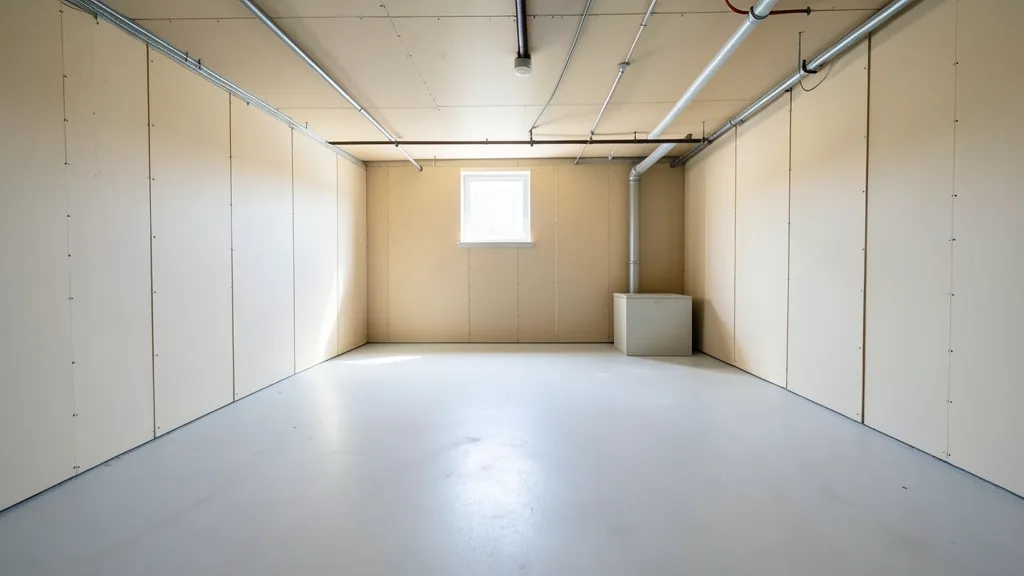
DIY mold removal often does more harm than good. Without proper containment, spores hitch rides on airflow, HVAC systems, and even your clothing—turning a small problem into a homewide infestation. We’ve seen this firsthand in Ellington, where humid summers and damp basements create the perfect storm for spore migration.
Why DIY Mold Removal Backfires in Humid Climates
Ellington’s high humidity, especially in summer, accelerates mold growth on porous surfaces like drywall and insulation. Disturbing these materials without containment releases millions of spores into the air.
Once airborne, spores travel through HVAC ducts, settling in attics, crawl spaces, or even neighboring rooms in Tolland or Stafford. This cross-contamination is invisible—until it isn’t.
Running your furnace or AC during DIY removal can distribute spores throughout your home. Always shut down HVAC and seal vents before starting.
The Science of Spore Dispersal During Removal
Mold spores are microscopic and lightweight, clinging to dust particles. Scrubbing or dry-brushing moldy surfaces aerosolizes them, increasing indoor spore counts by 10–100x.
Even dead mold releases allergens and mycotoxins. Without HEPA filtration, these particles linger, triggering respiratory issues long after the visible mold is gone.
DIY vs. Professional Containment: A Side-by-Side
Professionals use negative air pressure and physical barriers to isolate the work area. DIYers often skip this, assuming plastic sheeting is enough—it isn’t.
| Method | Effectiveness | Spore Escape Risk | Cost Factors |
|---|---|---|---|
| DIY Plastic Sheeting | Low | High (gaps, poor sealing) | Material cost only |
| DIY with Tape/Sealant | Moderate | Moderate (human error) | Materials + time |
| Professional Negative Air | High | Very Low (HEPA filtration) | Equipment, labor, expertise |
| Full Containment (Commercial) | Very High | Minimal | Scale, duration, PPE |
Common DIY Mistakes That Worsen Spore Spread
Bleach is a top offender. It kills surface mold but doesn’t penetrate porous materials, leaving roots intact. The moisture from bleach also feeds future growth.
Vacuuming with a standard household vacuum stirs up spores. Only HEPA vacuums capture particles small enough to be inhaled.
What NOT to Do During DIY Mold Cleanup
- Never use bleach on drywall, wood, or insulation
- Avoid dry sweeping or dusting moldy areas
- Don’t run fans or HVAC without containment
- Skip household vacuums—use HEPA only
- Don’t ignore hidden mold in attics or crawl spaces
How Spores Travel Beyond the Visible Mold Patch
Spores cling to clothing, shoes, and tools. If you track them from a basement in Somers to an upstairs bedroom, you’ve just seeded a new colony.
Pets and children are especially vulnerable. Their lower height puts them closer to settled spores on floors and carpets, increasing inhalation risks.
Assume spores have spread at least 6 feet beyond visible mold. This is why professionals test air quality in adjacent rooms, not just the source area.
When DIY Removal Is (Almost) Safe
For very small, non-porous surfaces (like a tile shower corner), DIY can work—if you use proper PPE, HEPA vacuums, and containment. Even then, testing afterward is critical.
In Ellington, we rarely recommend DIY for anything larger than 10 square feet. The risk of hidden growth in walls or under flooring is too high, especially in older homes.
The Long-Term Cost of Spore Spread
Unchecked spore migration leads to recurring mold in attics, basements, and crawl spaces. Homeowners in East Windsor often call us after multiple DIY attempts failed to address the root moisture issue.
Structural damage isn’t the only concern. Chronic exposure to spores can exacerbate asthma, allergies, and immune disorders—especially in children and the elderly.
How to Contain Mold Spores If You Must DIY
If you’re tackling a small, contained area, follow these steps to minimize spore spread.
- 1Seal the Work Area
Use 6-mil plastic sheeting to create a barrier at least 4 feet beyond the moldy area. Tape all seams and edges to walls, floors, and ceilings.
- 2Shut Down HVAC and Fans
Turn off all heating, cooling, and ventilation systems. Cover vents and doorways with plastic to prevent spore migration.
- 3Wear Proper PPE
Use an N95 respirator (or better), gloves, and disposable coveralls. Eye protection is critical if disturbing overhead mold.
- 4Use HEPA Filtration
Run an air scrubber with a HEPA filter in the work area. Position it to pull air *away* from clean spaces.
- 5Clean with Mold-Specific Solutions
Use a detergent solution or commercial mold cleaner (not bleach) on non-porous surfaces. HEPA-vacuum all debris *before* wiping.
- 6Dispose of Materials Safely
Double-bag all contaminated materials (rags, plastic, moldy items) in heavy-duty trash bags. Seal tightly before removing from the area.
Frequently Asked Questions
Can mold spores from my Ellington basement affect my upstairs?
Absolutely. Spores are lightweight and travel easily through air currents, HVAC systems, or even on your clothing. Without proper containment, a basement cleanup can seed mold growth in living areas above.
How do I know if DIY removal worked?
Visible mold may be gone, but spores and hidden growth can remain. Professional mold testing and air quality testing are the only ways to confirm success. We use these in Ellington to verify remediation.
Is black mold more dangerous to disturb than other types?
All mold should be treated with caution, but toxigenic types like Stachybotrys (black mold) release mycotoxins that pose higher health risks. Disturbing it without containment can worsen indoor air quality significantly.
Why do mold problems keep coming back in my Tolland home?
Recurring mold usually means a moisture issue wasn’t fixed. Common culprits include leaky pipes, poor ventilation in bathrooms or attics, or high humidity in crawl spaces. Remediation without moisture control is just a temporary fix.
Can I use an air purifier to stop spore spread during cleanup?
A standalone air purifier helps but isn’t enough. For effective containment, you need negative air pressure (via an air scrubber) to pull spores *out* of the air and filter them through a HEPA system.
What’s the difference between mold removal and remediation?
Removal addresses visible mold, while remediation includes containment, spore control, fixing the moisture source, and restoring air quality. In Ellington, full remediation is the only way to prevent regrowth in areas like basements or attics.