Understanding Mold Remediation Cost per Square Foot in Ellington
Mold remediation costs in Ellington aren’t one-size-fits-all. The price per square foot hinges on the mold type, affected materials, and how deeply it’s embedded. We break down the real factors so you can anticipate expenses and avoid surprises.
Why Costs Vary by the Square Foot
Mold remediation pricing is tied to labor, materials, and the scope of contamination. Porous materials like drywall or insulation often require removal, while non-porous surfaces may only need cleaning and sealing.
In our region’s humid summers and wet falls, hidden moisture behind walls or under flooring can spread mold quickly. The more square footage affected, the higher the cost—but depth and material type matter just as much.
Average Cost Ranges for Common Scenarios
Costs typically start lower for surface-level mold on non-porous materials like tile or metal. These jobs may run on the lower end of the spectrum per square foot.
| Scenario | Complexity | Cost Factor |
|---|---|---|
| Surface mold on non-porous materials | Low | Lower |
| Mold in drywall or insulation | Medium | Moderate to High |
| Attic or crawl space with structural involvement | High | High |
| Black mold (Stachybotrys) or toxic strains | High | Highest |
Key Factors That Drive Up Costs
The type of mold matters. Toxic varieties like Stachybotrys (black mold) require stricter containment and disposal protocols, increasing labor and equipment costs.
Accessibility plays a role. Mold in tight crawl spaces or behind finished basements in Ellington homes demands more time and specialized gear, pushing prices higher.
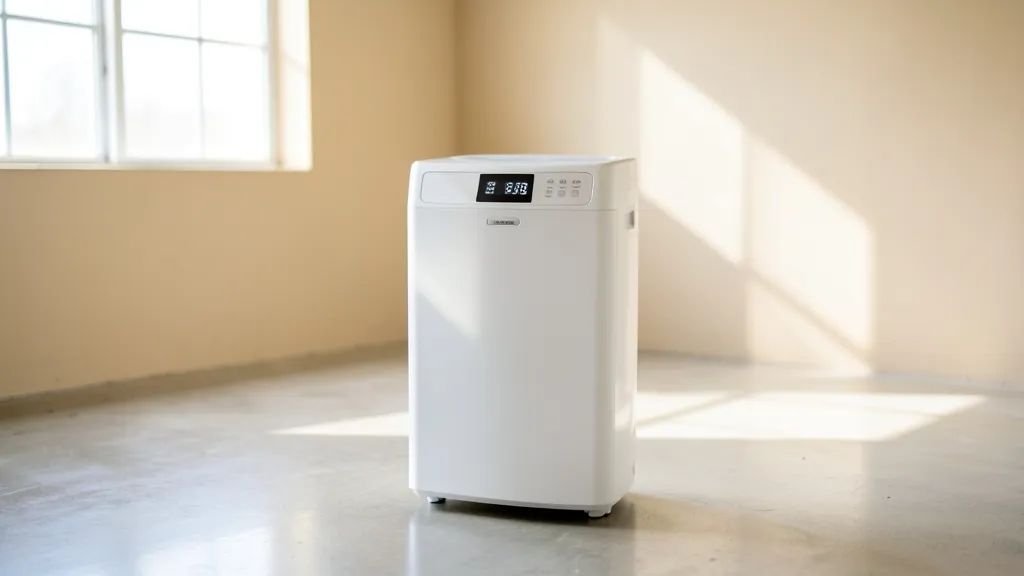
If water damage is ongoing, remediation must include moisture control—dehumidifiers, vapor barriers, or improved ventilation—to prevent recurrence. This adds to the overall investment.
Skipping moisture control can lead to repeat infestations. Always address the root cause, or you’ll pay twice.
How Material Types Affect Pricing
Porous materials (drywall, carpet, ceiling tiles) usually can’t be fully cleaned. Removal and replacement are standard, which increases labor and disposal fees.
Non-porous surfaces (concrete, glass, metal) can often be cleaned with HEPA vacuums and antimicrobial treatments. This reduces costs but requires thorough testing afterward to confirm spore levels are safe.
In older Ellington homes, lead or asbestos may lurk behind mold-damaged materials. If discovered, specialized abatement is required before remediation can proceed, adding layers of cost.
The Role of Mold Testing and Inspection
Pre-remediation testing identifies the mold type and spore count, guiding the scope of work. Air quality testing post-remediation verifies success. Both add to the total but ensure the job is done right.
In areas like Tolland or Stafford, where basements are common, pre-testing often reveals hidden mold in joist bays or behind stored items. This prevents underestimating the project’s scale.
Store-bought kits can’t match professional air quality testing. Lab analysis and expert interpretation are critical for accuracy.
Containment and Safety: Non-Negotiable Costs
Proper containment prevents spores from spreading during remediation. We use plastic sheeting and negative air pressure machines to isolate the work area, especially for larger or toxic mold jobs.
Personal protective equipment (PPE) and air scrubbers are standard for our team. These aren’t optional—they’re required by IICRC S520 standards and local regulations.
When to Consider Full-Space Remediation
In severe cases—especially in attics or crawl spaces—full encapsulation may be the most cost-effective long-term solution. This involves sealing the area with vapor barriers and adding dehumidifiers or ventilation.
For commercial properties in East Windsor or Somers, large-scale remediation often includes HVAC cleaning to prevent spore recirculation. This is a bigger upfront cost but prevents systemic issues.
How to Keep Costs Under Control
Act fast. The longer mold sits, the more it spreads, and the more materials it destroys. Early intervention limits the square footage that needs treatment.
Address moisture sources immediately. Fix leaks, improve drainage, and control humidity. In our climate, basements and crawl spaces need consistent monitoring.
Prevent Costly Recurrence
- Install dehumidifiers in basements and crawl spaces
- Seal foundation cracks to block water intrusion
- Inspect attics for roof leaks or poor ventilation annually
- Use mold-resistant drywall in high-risk areas
How to Get an Accurate Mold Remediation Estimate
Follow these steps to ensure your quote reflects the true scope of work.
- 1Schedule a Professional Inspection
A certified inspector will assess the extent of mold, test air quality, and identify moisture sources. This is the foundation of any reliable estimate.
- 2Request Detailed Scope of Work
The quote should specify containment methods, materials to be removed or cleaned, and any moisture control measures. Vague proposals are red flags.
- 3Ask About Testing and Clearance
Confirm whether pre- and post-remediation testing is included. Clearance testing by a third party ensures the job meets safety standards.
- 4Compare Containment and Safety Protocols
Ensure the company follows IICRC S520 guidelines for containment, PPE, and air filtration. Cutting corners here risks your health and home.
- 5
Reputable remediation companies stand by their work. Ask about warranties on labor and materials, and what recourse you have if mold returns.
- 6Request a quote
Costs depend on too many variables to guess. A free, on-site evaluation is the only way to get a precise, fair estimate for your Ellington property.
Frequently Asked Questions
Is mold remediation covered by homeowners insurance in Ellington?
It depends on your policy and the cause. If mold results from a covered peril like a burst pipe, you may have coverage. But most policies exclude mold caused by neglect or poor maintenance. Review your policy and consult your agent.
Can I just clean mold myself to save money?
For small, surface-level mold on non-porous materials, DIY cleaning with detergent or vinegar may suffice. But for porous materials, large areas, or toxic mold, professional remediation is safer and more effective. Improper cleaning can spread spores and worsen the problem.
How long does mold remediation take in a typical Ellington home?
Most residential jobs take 1 to 5 days, depending on the size and complexity. Containment setup, drying time, and clearance testing add to the timeline. Larger or commercial projects in areas like Somers or Tolland may take a week or more.
Why do costs differ between companies?
Differences stem from equipment quality, labor rates, and the thoroughness of the process. Some companies cut corners by skipping containment or testing, which can lead to higher long-term costs if mold returns. Always prioritize quality and compliance over the lowest bid.
What’s the difference between mold removal and mold remediation?
Mold removal refers to physically eliminating mold from surfaces. Remediation goes further: it includes identifying and fixing the moisture source, containing the area, and restoring air quality. Remediation addresses the root cause to prevent regrowth.
Do I need to leave my home during remediation?
For small, contained jobs, you may not need to relocate. But for large or toxic mold infestations, especially in living areas, temporary relocation is recommended. Your remediation team will advise based on the scope and safety risks.