Mold vs. Mildew: Key Differences Ellington Homeowners Need to Know
Mold and mildew are both fungi that thrive in damp environments, but they pose very different risks to your home and health. Knowing how to tell them apart helps you act fast—before a small issue turns into a full-blown remediation project.
What’s the Core Difference Between Mold and Mildew?
Mold and mildew are both fungi, but mold is the more invasive and potentially hazardous of the two. Mold penetrates surfaces, while mildew typically stays on the surface, making it easier to clean.
Mildew is usually white, gray, or yellow and appears powdery or downy. Mold, however, can be green, black, blue, or even red and often looks fuzzy or slimy. Black mold (Stachybotrys) is especially concerning due to its potential to produce mycotoxins.
Where Do They Grow in Ellington Homes?
Mildew thrives in warm, humid areas like bathrooms, kitchens, and window sills—especially after our humid Connecticut summers. It’s often found on shower grout, tile, and fabric.
Mold, however, can take root anywhere with prolonged moisture: basements, crawl spaces, attics, and even inside walls or under flooring. Water damage from leaks or poor drainage in areas like Tolland or Stafford can accelerate mold growth behind the scenes.
Attics are another hotspot, particularly if roof leaks or poor ventilation trap moisture. We’ve seen mold spread rapidly in attics across Somers and East Windsor after heavy rain seasons.
| Area | Mildew Risk | Mold Risk |
|---|---|---|
| Bathrooms | High (surface-level) | Moderate (if leaks persist) |
| Basements & Crawl Spaces | Low | Very High |
| Attics | Low | High (if ventilation is poor) |
| Kitchens | High (around sinks, appliances) | Moderate (under sinks, behind walls) |
| Windowsills | High | Low |
| Drywall & Insulation | Low | Very High |
Health Risks: Why Mold Demands More Urgency
Mildew can trigger allergies—sneezing, itchy eyes, or skin irritation—but it’s rarely dangerous. Mold, however, can cause respiratory issues, chronic sinus infections, and even neurological symptoms in severe cases.
Black mold exposure may lead to long-term health effects, particularly for children, the elderly, or those with compromised immune systems. If you suspect black mold, avoid disturbing it and call a professional immediately.
Agitating black mold releases spores into the air, worsening contamination. Always have a remediation team assess and contain it safely.
How to Identify Which One You’re Dealing With
Start with a visual inspection. Mildew looks like a thin, powdery layer and can often be wiped away with a bleach solution. Mold appears as dark spots or patches and may have a musty odor.
If the affected area is larger than 10 square feet, or if you smell a persistent musty odor without visible growth, it’s likely mold. In these cases, professional mold testing and air quality testing are the safest next steps.
Dab a small amount of bleach on the spot. If it lightens or disappears within minutes, it’s likely mildew. If it remains dark or returns, you’re dealing with mold.
DIY Cleanup vs. Professional Remediation
Mildew on non-porous surfaces (like tile or glass) can often be cleaned with a 1:10 bleach-to-water solution or a commercial mildew remover. Always wear gloves and a mask, and ensure the area is well-ventilated.
Mold, especially on porous materials like drywall, insulation, or carpet, usually requires professional remediation. These materials often need to be removed and replaced to fully eliminate the problem.
For water damage restoration or large-scale mold issues—common in basements or after flooding—our team uses containment barriers, HEPA air scrubbers, and antimicrobial treatments to ensure spores don’t spread.
Prevention: Keeping Your Home Mold- and Mildew-Free
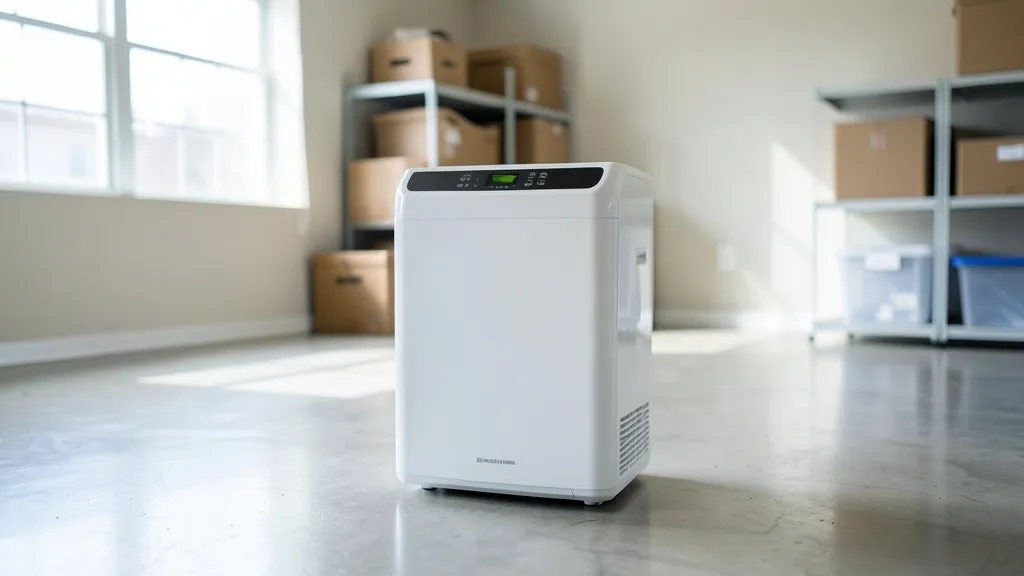
Control humidity levels with dehumidifiers, especially in basements and crawl spaces. Aim for 30-50% humidity indoors. Ellington’s damp springs and summers make this a year-round priority.
Fix leaks promptly—whether in roofs, pipes, or around windows. Even small drips can lead to big problems over time. Regularly inspect areas prone to moisture, like under sinks and around appliances.
Improve ventilation in bathrooms, kitchens, and laundry rooms. Exhaust fans should vent outside, not into attics. For attic mold prevention, ensure proper soffit and ridge vents are in place.
Mold & Mildew Prevention Checklist
- Use dehumidifiers in basements and crawl spaces
- Repair leaks within 24-48 hours
- Clean and dry water-damaged areas immediately
- Install and maintain exhaust fans in high-moisture areas
- Inspect attics and roofs for leaks annually
- Use mold-resistant products (e.g., drywall, paint) in prone areas
When to Call a Mold Remediation Professional
If you see mold covering a large area (over 10 sq. ft.), or if it’s in your HVAC system, crawl space, or inside walls, it’s time to call in experts. These scenarios often require specialized equipment and containment protocols.
Recurring mold after cleaning, or mold that returns quickly, signals an underlying moisture issue. Professionals can identify the source—whether it’s a hidden leak, poor drainage, or inadequate ventilation—and address it permanently.
For commercial properties or rental units in areas like East Windsor or Tolland, professional remediation ensures compliance with local health and safety regulations.
How to Safely Clean Mildew from Non-Porous Surfaces
Follow these steps to remove mildew without spreading spores or damaging surfaces.
- 1Ventilate the Area
Open windows and doors to ensure fresh air circulation. Turn on fans if available to help dry the area faster.
- 2Protect Yourself
Wear gloves, a mask, and eye protection. Mildew spores can irritate lungs and skin, even if they’re less harmful than mold.
- 3Apply Cleaning Solution
Use a 1:10 bleach-to-water mix or a commercial mildew cleaner. Spray the solution onto the affected area and let it sit for 10 minutes.
- 4Scrub and Rinse
Gently scrub the area with a stiff brush, then rinse with clean water. Dry the surface thoroughly with a clean towel or cloth.
- 5Dispose of Materials Safely
Seal used rags, brushes, or disposable items in a plastic bag before throwing them away to prevent spore spread.
Frequently Asked Questions
Can mildew turn into mold if left untreated?
No, mildew and mold are different fungi, but untreated mildew can indicate conditions that may also foster mold growth. If moisture persists, mold can develop nearby or even on the same surface.
How do I know if my Ellington home has hidden mold?
Hidden mold often reveals itself through musty odors, water stains, or health symptoms like allergies that worsen at home. If you suspect hidden mold, a professional mold inspection with thermal imaging or moisture meters can pinpoint the issue.
Is bleach effective for killing mold?
Bleach can kill surface mold on non-porous materials like tile or glass, but it doesn’t penetrate porous surfaces like drywall or wood. For these, professional-grade antimicrobials are more effective. Bleach also doesn’t prevent regrowth if the moisture source isn’t addressed.
What’s the difference between mold testing and mold inspection?
A mold inspection is a visual and physical assessment of your home to identify mold growth, moisture sources, and potential problem areas. Mold testing involves collecting air or surface samples to determine the type and concentration of mold spores present.
Does homeowners insurance cover mold remediation in Connecticut?
Coverage varies by policy. Most standard policies cover mold damage if it’s the result of a ‘covered peril,’ like a burst pipe. However, they often exclude mold caused by long-term neglect or flooding. Always review your policy and request a quote from a remediation specialist to understand costs.
Are there specific mold risks in older Ellington homes?
Older homes, especially those with basements or crawl spaces, are more prone to mold due to aging plumbing, poor ventilation, or outdated building materials. Many homes in Tolland and Somers also have solid foundations that trap moisture. Regular inspections and moisture control are key.