OSHA and EPA Compliance for Mold Remediation in Ellington Property Management
Property managers in Ellington face strict OSHA and EPA guidelines when addressing mold. Non-compliance risks fines, liability, and tenant health issues. We break down the critical standards and how to meet them during mold inspection, testing, and remediation.
Why OSHA and EPA Standards Matter for Mold Work
OSHA regulates workplace safety, including mold exposure for workers during remediation. Property managers must ensure contractors follow OSHA’s General Duty Clause to protect employees and occupants.
The EPA’s Mold Remediation in Schools and Commercial Buildings guidelines apply broadly, including to rental properties. These standards outline safe work practices, containment, and cleanup verification.
OSHA’s Key Requirements for Mold Remediation Teams
OSHA mandates proper personal protective equipment (PPE) for remediation crews. This includes N95 respirators, gloves, and eye protection for disturbance of moldy materials.
Workers must have training on mold hazards, PPE use, and decontamination procedures. Supervisors need additional competency in containment setup and air monitoring.
For areas over 10 square feet or suspected toxic mold, OSHA requires professional remediation. DIY attempts can violate workplace safety rules and worsen contamination.
EPA Guidelines: Containment and Air Filtration
The EPA classifies remediation projects by size. Small (10–30 sq ft) may use local containment; medium (30–100 sq ft) requires full containment with plastic sheeting and negative air pressure.
HEPA filtration is critical during and after remediation to capture airborne spores. Air scrubbers must run continuously in contained areas until clearance testing passes.
| Project Size | Containment Type | HEPA Filtration Required |
|---|---|---|
| < 10 sq ft | None (but isolate work area) | No |
| 10–30 sq ft | Local containment | Yes |
| 30–100 sq ft | Full containment with negative pressure | Yes |
| > 100 sq ft | Full containment + critical barriers | Yes + air monitoring |
Clearance Testing and Documentation for Compliance
Post-remediation verification (PRV) is non-negotiable. A third-party inspector must conduct air quality testing and visual checks to confirm mold levels match outdoor baselines.
Documentation is key. Property managers should retain records of initial mold testing, remediation plans, PPE logs, and clearance reports for at least three years.
For Ellington properties, partnering with CT-based labs for air quality testing speeds up clearance. Delays in testing can stall tenant reoccupancy.
Common Compliance Pitfalls in Ellington Properties
Many property managers overlook moisture control after remediation. Without fixing leaks or humidity issues—common in older Ellington homes—mold returns, violating EPA’s ‘prevent recurrence’ standard.
Shared HVAC systems in multi-unit buildings can spread spores. OSHA requires shutting down or sealing vents in affected areas during remediation to protect other tenants.
Commercial vs. Residential: Key Differences in Standards
Commercial mold remediation in Ellington, Tolland, or Stafford often involves larger spaces and stricter OSHA oversight due to employee exposure risks. Residential jobs focus more on tenant safety and EPA guidelines.
For commercial properties, OSHA’s Hazard Communication Standard (HCS) may apply if mold remediation chemicals are used, requiring Safety Data Sheets (SDS) on-site.
Moisture Control: The Overlooked Compliance Step
EPA and OSHA agree: remediation is incomplete without addressing the moisture source. In Ellington’s humid summers, crawl spaces and basements need vapor barriers or dehumidifiers to stay compliant.
Property managers should schedule regular inspections for water damage in attics, basements, and around windows—common problem areas in older CT homes.
Post-Remediation Moisture Control Checklist
- Fix all leaks in roofs, pipes, or HVAC systems
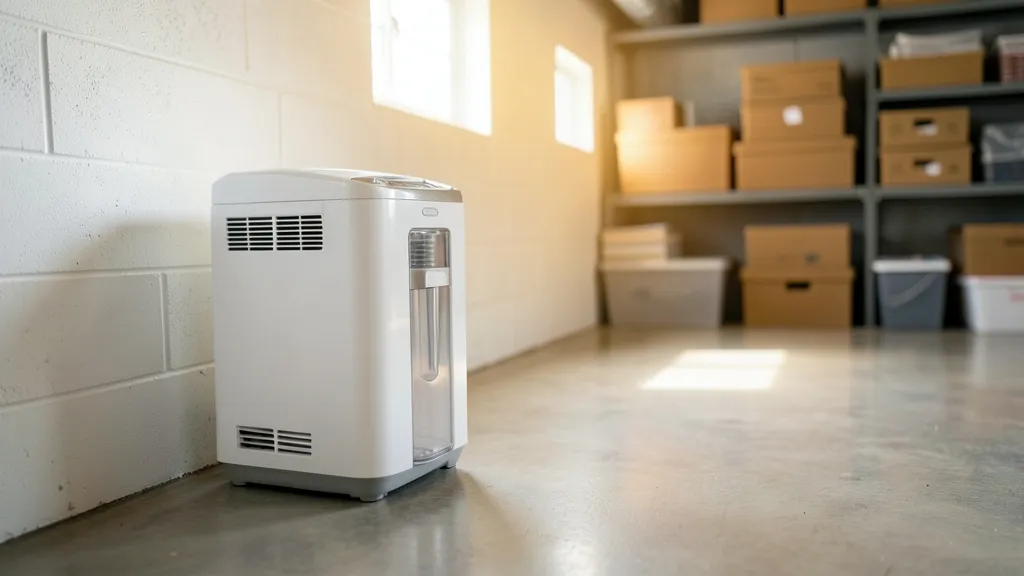
- Install dehumidifiers in basements and crawl spaces (target <50% humidity)
- Ensure proper grading and drainage around the building
- Inspect and clean gutters and downspouts seasonally
- Use mold-resistant materials in high-risk areas
How to Ensure OSHA and EPA Compliance During Mold Remediation
Follow these steps to meet federal and state standards while protecting tenants and workers.
- 1Conduct a Professional Mold Inspection
Hire an inspector to assess the extent of mold and identify moisture sources. This step is required for compliance and remediation planning.
- 2Develop a Remediation Plan
Create a written plan outlining containment, PPE, and cleanup methods. Include roles for supervisors and workers per OSHA guidelines.
- 3Set Up Containment and Air Filtration
Use plastic sheeting and negative air pressure for medium/large projects. Run HEPA air scrubbers continuously in contained areas.
- 4Execute Remediation with Proper PPE
Workers must wear OSHA-approved PPE, including respirators, gloves, and disposable coveralls. Supervise to ensure protocols are followed.
- 5Verify with Clearance Testing
Hire an independent tester to confirm mold levels are normal. Document results for OSHA/EPA compliance.
- 6Address Moisture and Prevent Recurrence
Repair leaks, improve ventilation, and control humidity. Schedule follow-up inspections to ensure long-term compliance.
Frequently Asked Questions
Do Ellington rental properties need to follow OSHA rules for mold remediation?
Yes. If employees or contractors perform remediation, OSHA’s workplace safety standards apply. Even for tenant-occupied spaces, property managers must ensure safe practices to avoid liability.
What’s the difference between EPA and OSHA mold guidelines?
OSHA focuses on worker safety (PPE, training, exposure limits), while EPA provides remediation best practices (containment, cleanup, moisture control). Both are critical for full compliance.
Can a property manager in Ellington handle mold cleanup themselves?
For small areas under 10 sq ft, yes—but PPE and containment are still required. For larger or toxic mold, OSHA mandates professional remediation to protect workers and occupants.
How often should commercial properties in Ellington be inspected for mold?
At minimum, conduct visual inspections semi-annually, especially in high-risk areas like basements, attics, and HVAC systems. After water damage, inspect immediately.
What documentation is required for OSHA/EPA compliance in mold remediation?
Retain records of initial mold testing, remediation plans, PPE usage logs, worker training, air quality test results, and post-remediation verification reports for at least three years.
Are there local Ellington or CT-specific mold regulations beyond OSHA/EPA?
Connecticut follows federal OSHA and EPA guidelines but may have additional building codes for moisture control. Always check with local health departments in Tolland County for region-specific requirements.