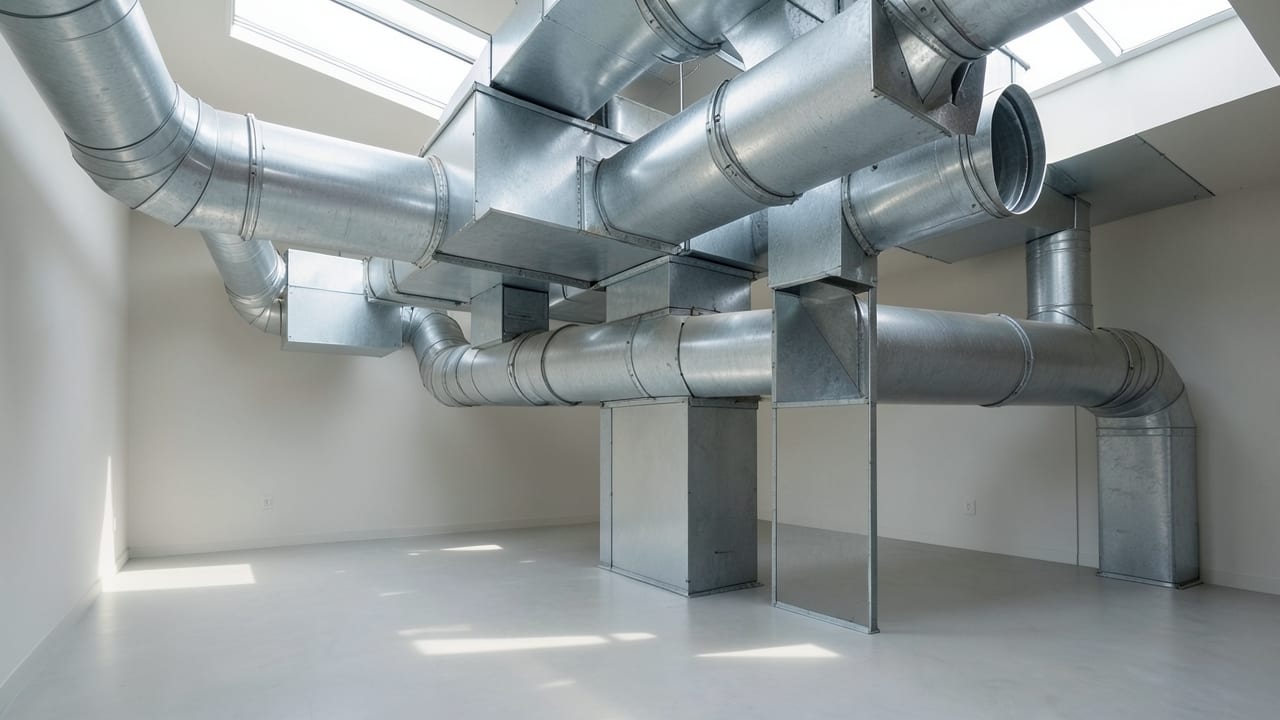
HVAC Mold Remediation
HVAC and ductwork mold remediation in Ellington, CT — mold growing inside the air handler or duct system, spreading through every vent.
In Ellington, CT, HVAC mold remediation targets mold growth inside ductwork, coils, or air handlers, preventing spores from circulating through your home every time the system runs. Professional containment, cleaning, and moisture fixes are critical to stop regrowth in our humid climate.
Why HVAC Mold Is Different in Ellington, CT
Unlike mold on walls or in crawl spaces, HVAC mold grows inside the system itself—ductwork, coils, or the air handler. Every time your heating or cooling runs, it pumps spores into every connected room, spreading contamination far beyond a single area.
We also handle Pest Infestation Mold Remediation and Move-In Mold Assessment for Ellington properties.
Ellington’s humid summers and damp basements make HVAC systems especially vulnerable. A cooling coil that stays damp, condensation in ducts, or a musty smell when the system starts are clear signs mold has taken hold where you can’t see it.
| Sign of HVAC Mold | Why It Matters |
|---|---|
| Musty odor when system turns on | Indicates spores are being circulated through your home |
| Visible mold on vent covers | Often a sign of deeper contamination in ductwork |
| Condensation or dampness in ducts | Provides the moisture mold needs to grow |
| Unexplained allergy symptoms indoors | Spores in the air can trigger respiratory issues |
What Affects Cost and Timing
Pricing for HVAC mold remediation in Ellington depends on the system’s size, the extent of contamination, and whether ductwork or the air handler needs replacement. Accessibility (e.g., attic or basement runs) and moisture source fixes also factor in.
A standard job includes inspection, containment, cleaning, and moisture correction. Larger homes or severe infestations may require additional time or specialized equipment.
How HVAC Mold Remediation Works
Professional remediation follows a structured process to safely remove mold and prevent regrowth.
- 1Containment Setup
Seal supply and return vents with plastic sheeting and negative air pressure to prevent spores from spreading during cleaning.
- 2System Inspection
Use borescopes or air sampling to locate mold in ducts, coils, or the air handler, identifying the full scope of contamination.
- 3Cleaning and Treatment
HEPA vacuum and scrub affected ductwork, coils, and air handler interiors with antimicrobial solutions. Replace severely damaged sections if needed.
- 4Moisture Correction
Fix the root cause—such as a clogged condensate drain or improperly insulated ductwork—to prevent mold from returning.
- 5Final Testing
Conduct post-remediation air testing to confirm spore levels are within safe limits before restoring normal system operation.
Frequently Asked Questions
How do I know if my HVAC system has mold or if it’s just dust?
Mold often produces a musty smell when the system runs, while dust is typically odorless. A professional inspection with air sampling can confirm whether mold is present and its source.
Can I clean HVAC mold myself?
DIY cleaning risks spreading spores throughout your home and may not address hidden contamination or moisture issues. Professional containment and equipment are required for safe, effective remediation.
Will mold come back after remediation?
If the underlying moisture problem (e.g., a leaking coil or poor insulation) isn’t fixed, mold can return. A reputable service will address these issues as part of the job.
Does homeowners insurance cover HVAC mold remediation?
Coverage varies by policy. Some insurers cover mold remediation if it results from a covered peril (e.g., a burst pipe), but not if it’s due to neglect or poor maintenance. Check your policy details.
See Willington, CT for more, or browse the full mold remediation lineup we run in Ellington by neighborhood for our complete lineup.
Ready to get started?
Talk to a local mold remediation pro in Ellington — get a written quote.
Other Mold Remediation Services in Ellington
Pest Infestation Mold Remediation in Ellington, CT
Professional mold removal and remediation for pest-related infestations in homes.
Learn More
Move-In Mold Assessment in Ellington, CT
Professional inspection and assessment of mold presence before moving into a property.
Learn More
Pre-Sale Mold Clearance in Ellington, CT
Pre-sale mold clearance involves inspection and testing to confirm a property is mold-free before purchase.
Learn More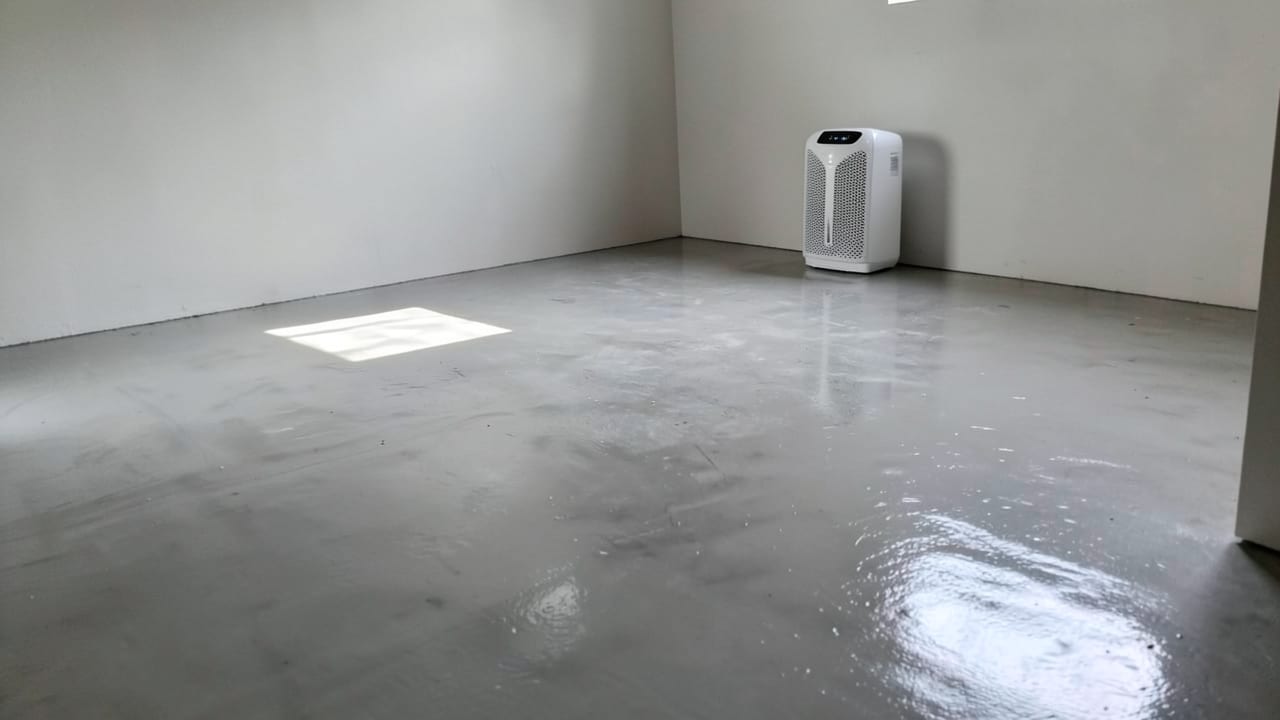
Post-Remediation Sealing in Ellington, CT
Applying protective sealants to surfaces after mold remediation to prevent future growth.
Learn More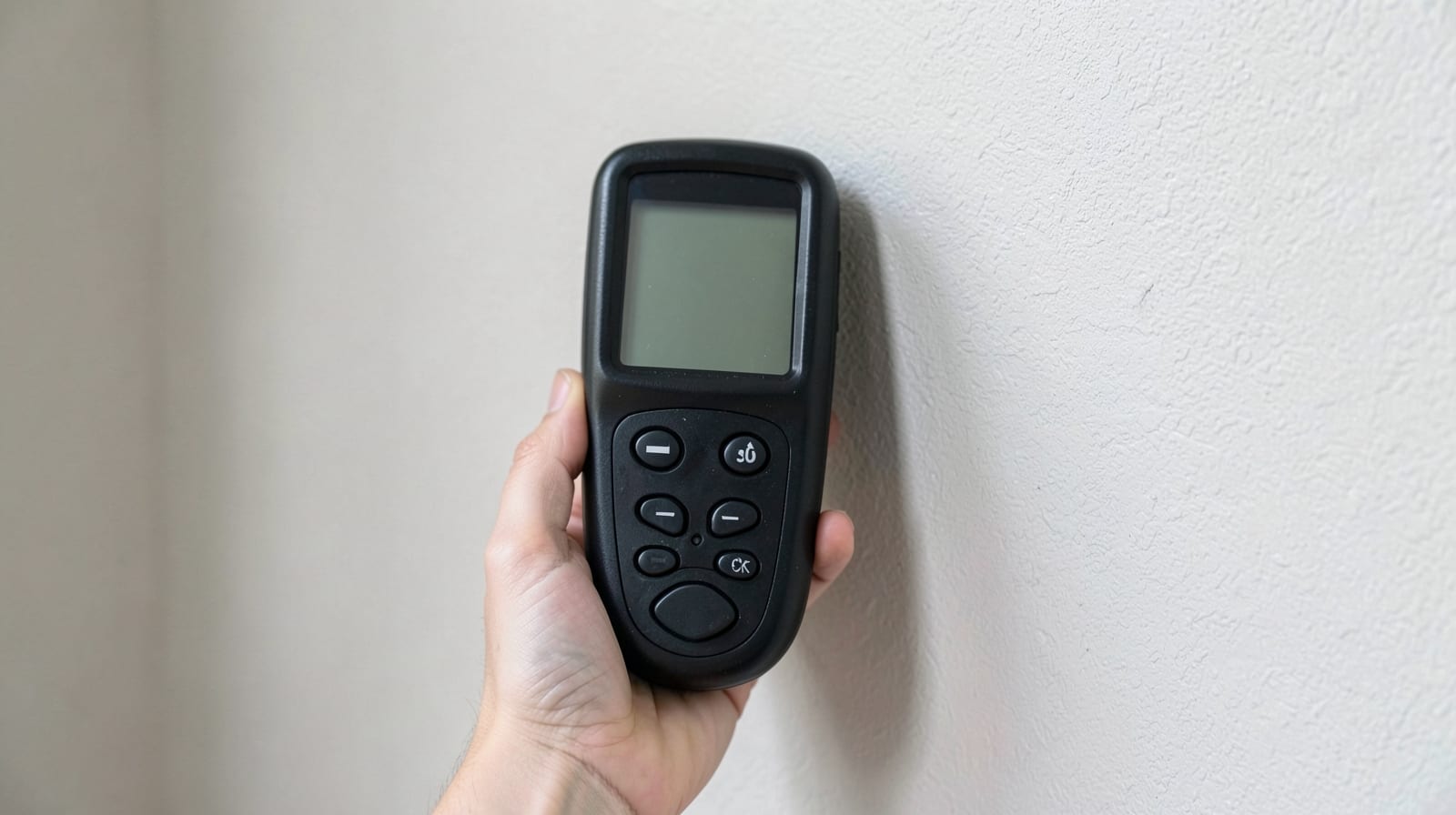
Mold Inspection in Ellington, CT
Mold inspection in Ellington, CT — a visual and moisture-meter assessment that finds the source of growth, not just the visible spot on the wall.
Learn More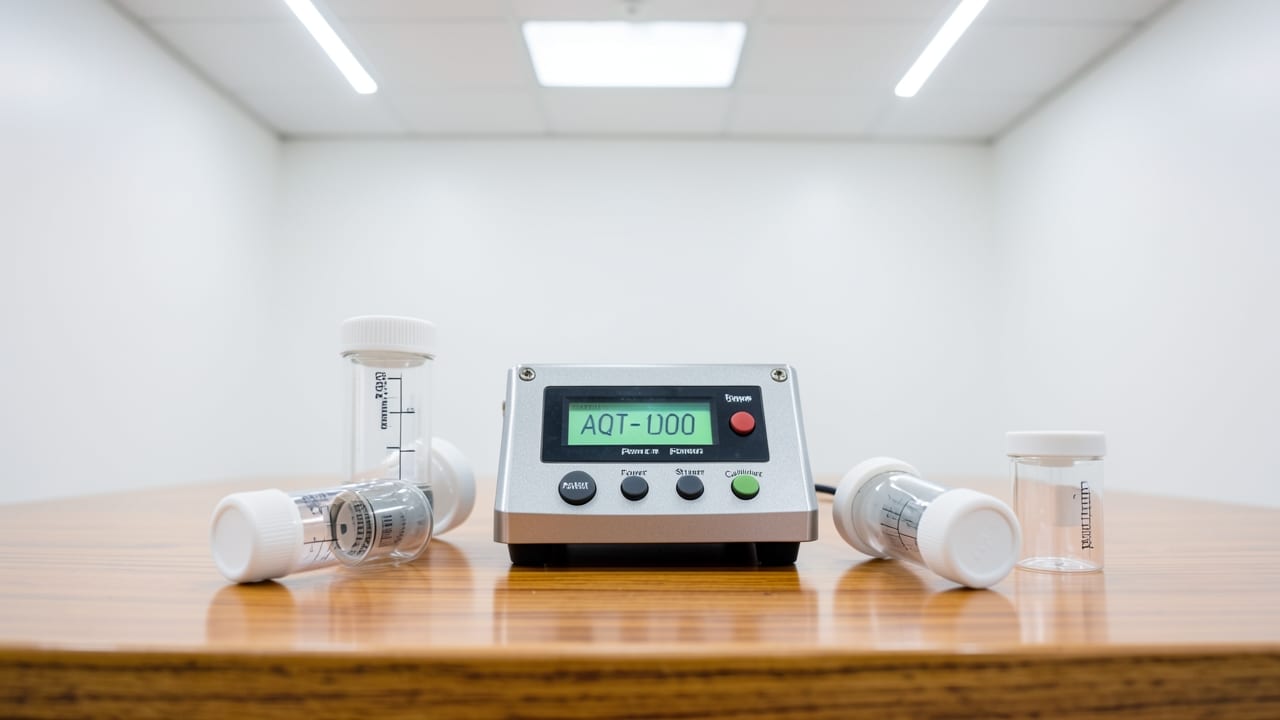
Mold Testing & Air Quality Testing in Ellington, CT
Mold and indoor air quality testing in Ellington, CT — lab-analyzed air and surface samples confirm what's actually growing and whether it's airborne.
Learn MoreCommon Questions About Mold Remediation in Ellington
Everything you need to know about mold remediation services in Ellington
How much does HVAC Mold Remediation typically cost in Ellington, CT?
Why does Ellington, CT's humidity make mold a bigger risk than in drier regions?
Does homeowners insurance typically cover mold remediation?
Is black mold actually more dangerous than other mold types?
How long does a typical mold remediation job take?
Is it safe to stay in the home during mold remediation?
Need Mold Remediation in Ellington?
Connect with local providers in Ellington for a detailed quote.
⏰ We answer your call • Serving all of Ellington and surrounding areas